Learn More
Rural and Lifestyle Buying
Rural and lifestyle property can offer space, privacy and productive potential, but it also brings responsibilities that are less common with an urban home.
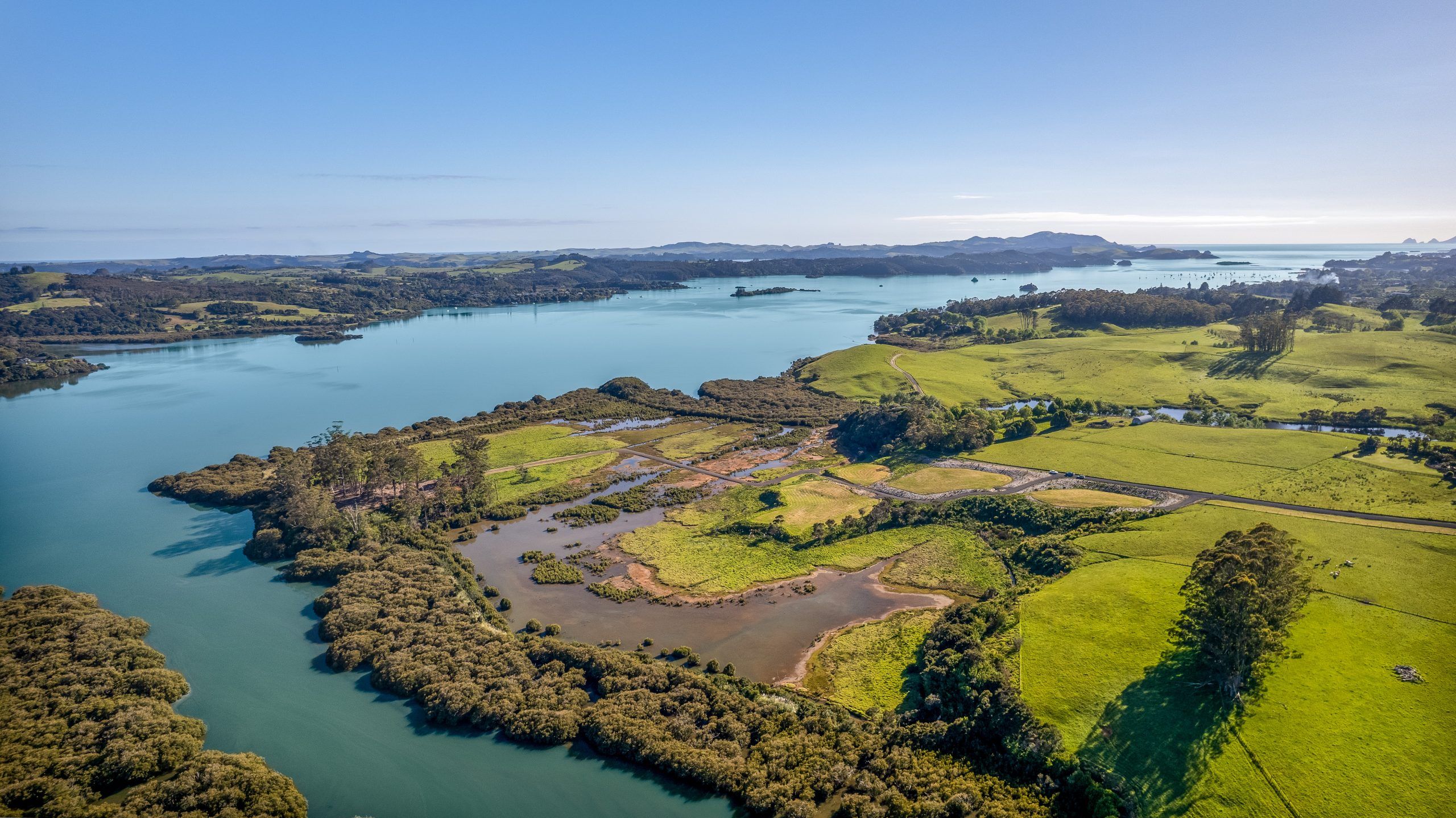
Water, wastewater and access
Confirm the source, quality, capacity and legal status of water. Inspect tanks, pumps, irrigation and wastewater systems. Review legal and physical access, easements, driveway maintenance and emergency access.
Test the everyday arrangements
Ask how water is supplied through the year, what storage and treatment are in place, and which equipment and agreements are included. Request servicing records and ask appropriate specialists to assess household water quality and wastewater capacity for your intended occupancy. A system that suits the present owners may need further investigation for a larger household or a different use.
For shared supplies, driveways or private roads, have your lawyer explain the legal rights, cost sharing and maintenance obligations. Compare the recorded access with the route actually used. Consider deliveries, emergency vehicles and access in difficult weather, as well as your ordinary commute.
Understand the land
Consider contour, drainage, soils, aspect, shelter, weeds, erosion, fencing and previous land use. Ask qualified advisers about intended activities, subdivision, earthworks, forestry, grazing or horticulture. Council plans and title documents should be checked rather than assumed.
Match the block to what you intend to do
Decide whether you want a large garden, grazing, an orchard or an income-producing operation before comparing properties. Investigate usable land, fencing, water points, shelter, stock handling and safe separation from household areas. Obtain realistic advice about the labour, equipment and outside help needed to maintain the block.
Use Far North District Council’s District Plan information to begin the planning questions, then ask which provisions apply to the address and proposed activity. A rural setting does not establish permission for additional homes, subdivision, earthworks or a business. Our land and building guide explains further site and approval investigations.
Buildings and infrastructure
Inspect dwellings, sheds, yards, tracks, power and other improvements. Identify unconsented work and specialist maintenance needs. Confirm insurance early, because location and construction may affect terms.
Compare records with the property
Request relevant title, consent and completion records and review them with your advisers. The Council’s property information services distinguish the available property records. Ask specifically about additions, converted sheds, accommodation, wastewater and other improvements rather than assuming everything visible is approved for its present use.
Arrange appropriate inspections and ask about maintenance history for pumps, tanks, drainage, roofs, retaining structures, tracks and outbuildings. Check actual power, mobile coverage and broadband options at the address if you need to work from home.
Budget beyond the purchase price
Build an annual budget for insurance, rates, water, wastewater servicing, access maintenance, fencing, weed control, machinery and professional help. Separate routine expenses from large replacements or deferred work. Request current property-specific costs and quotes where needed; a bigger land area alone does not tell you the running cost.
If an orchard or other productive operation forms part of the purchase, clarify the sale assets and operating commitments. Our orchard buying guide covers production records, irrigation arrangements and the handover questions to discuss with specialist advisers.
Presenting rural property for sale
Buyers need clear facts. Good preparation includes title and council information, maps, water details, improvements and maintenance history. Talk with Ray White Kerikeri about a property-specific appraisal and buyer strategy.
Plan your viewings and questions
Compare properties against the same practical checklist: travel and services, usable land, water and wastewater, access, buildings, ongoing costs and the suitability of your intended activities. Ask your lawyer about appropriate investigations and agreement conditions before you commit.
Use the form below with a property address and your plans. Ray White Kerikeri can explain the sale process and available information while your independent advisers investigate suitability. For a general buying conversation, call 09 407 8526.